
Mcewings
Water Ski



WATERSKIS
When you think of watersports you think of water skiing. The big, beautiful rooster tail of water spread out behind the skier’s perfect form with the sun blazing through the spray……
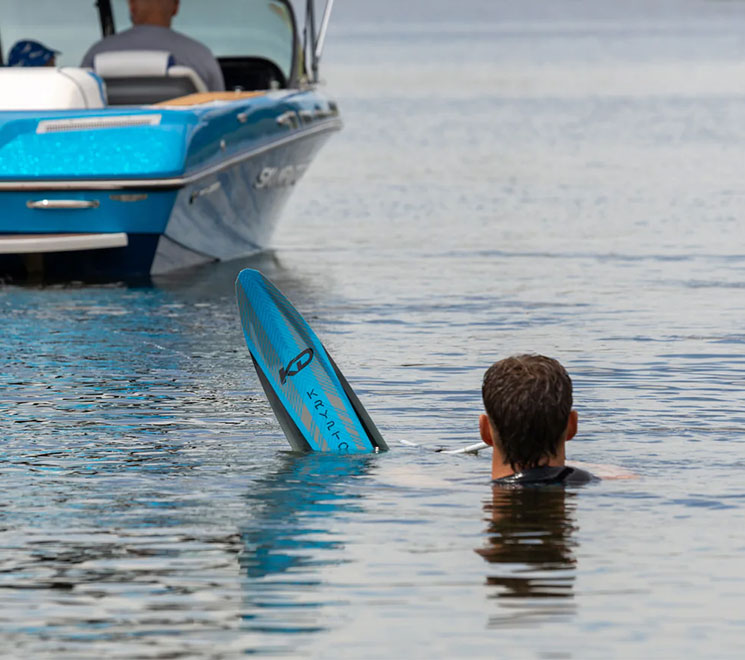
Whatever your level, everyone started off on a set of combo skis before progressing to single skis, slalom and trick skis. Let’s look at the different setups in more detail.
COMBO WATERSKIS
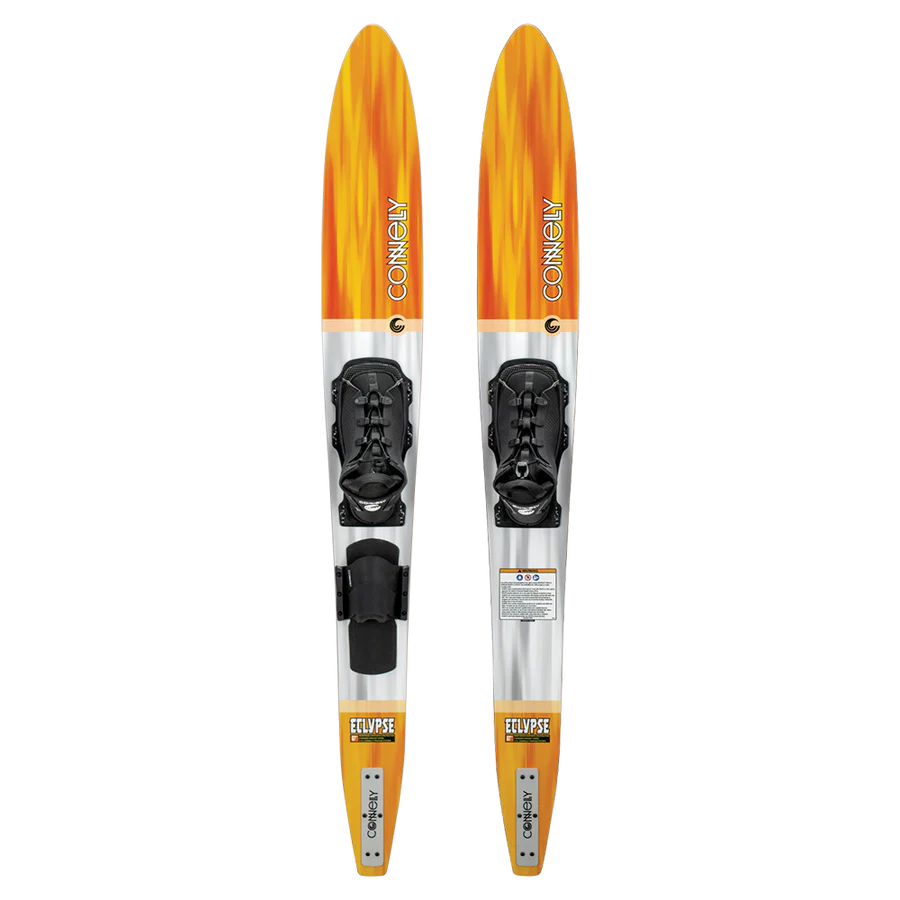
Waterski combos are the ideal starting point for new skiers and will always earn a spot in the boat. Sold as a pair, sizing is based on rider weight and most have one-size-fits-all rubber boots plus a rear toe piece, so you can drop a ski and progress to single skiing.
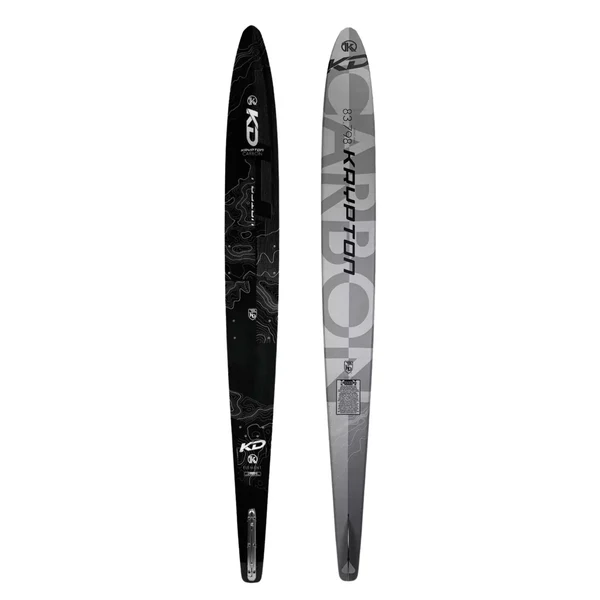
SINGLE/SLALOM WATERSKIS
Once you’re confidently up, a single slalom ski is where the real performance starts. Designed to turn fast and track cleanly, our range suits everyone from casual family riders to fearless teen chargers, with options from leading brands so you can find the one ski that feels perfect for you.
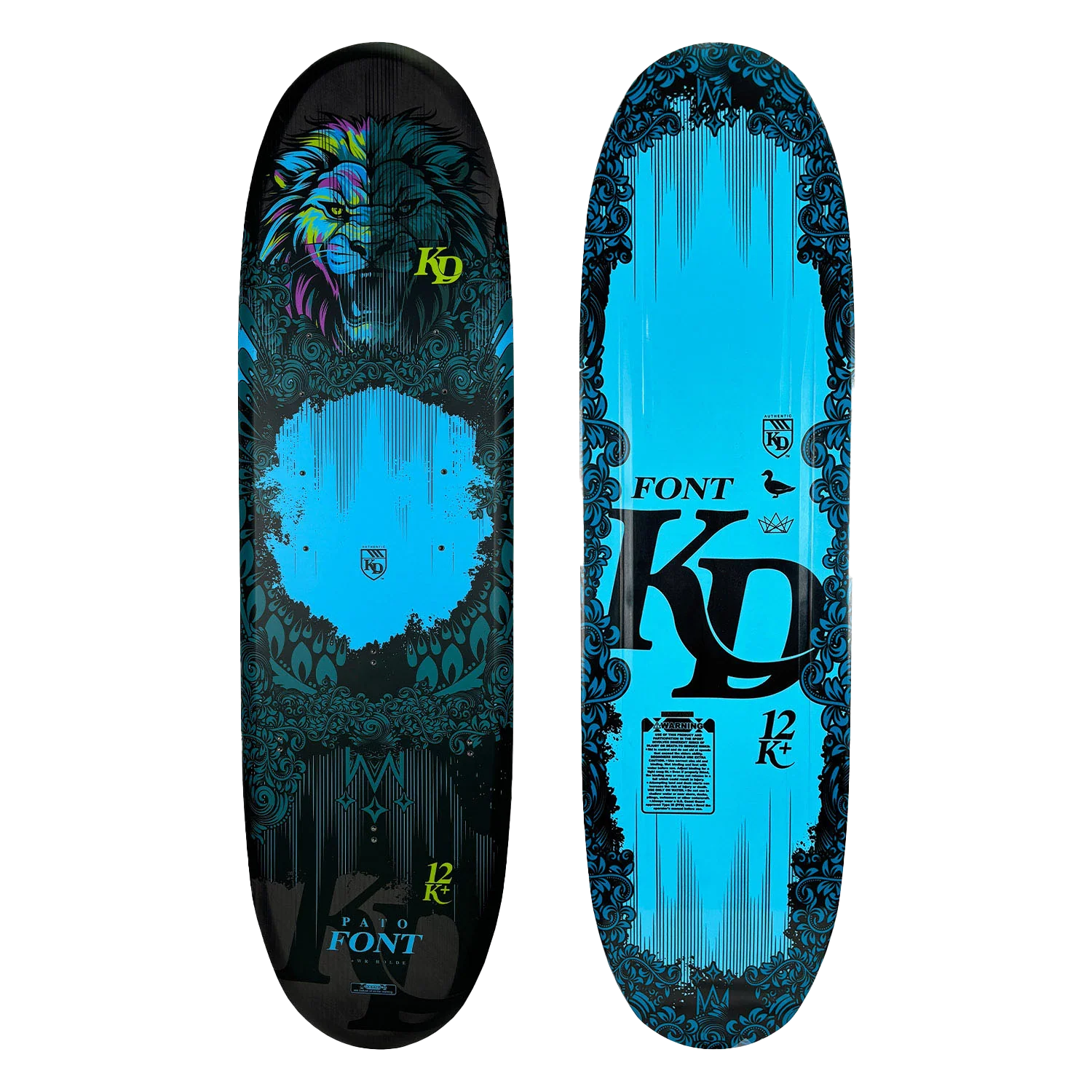
TRICK WATERSKIS
Trick skis are short, wide and finless, letting you spin, slide and play freely on the water. Riding at slower boat speeds on a shorter rope, they feel similar to wakeboarding and are perfect for learning rotations, basic flips and fun wake tricks once you’ve mastered the basics of skiing.
Water Ski Width & Shape
The width of a water ski, and how it’s distributed along the ski, has a big impact on how it behaves. The front half helps you get up out of the water, while the back half is what spends most of the time in contact with the water when you’re skiing.
Wider skis make deep-water starts easier, offer more float, and give a smooth, predictable, less tiring ride. Narrow slalom skis are built for hard charging: they switch edges quickly, carve tight high-speed turns, and often need more boat speed to ride properly. Many modern recreational skis use a hybrid shape, with extra width up front for easy starts and a narrower tail for more responsive turning and performance.
Which ski to use?
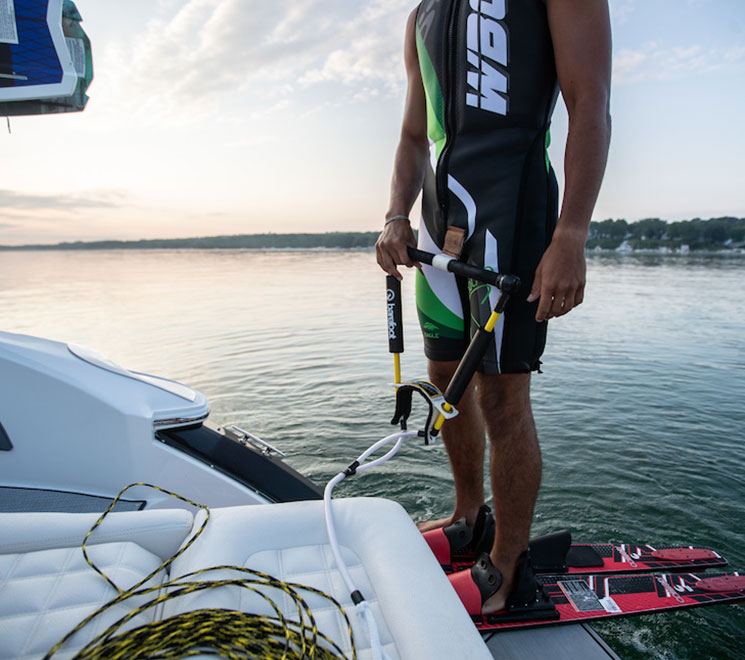
Choosing the right ski shape, construction and length depends on who’s using it, their build, and how they want to ride – tight carving around buoys or relaxed cruising.
Manufacturers match skier weight to ski length (in inches), but boat speed matters too. A slightly longer ski for your weight is more buoyant, making starts easier and the ride more stable and less tiring, but a bit less responsive. At higher speeds, shorter skis are recommended as they sit deeper in the water and make confident, aggressive turns easier to control.
| Weight range | Slow 40-48kmh | Medium 48-55kmh | Fast 55-58kmh |
| Under 50kg | 62″ – 64″ | 62″ – 64″ | 62″ – 64″ |
| 50-65kg | 65″ – 67″ | 63″ – 66″ | 63″ – 65″ |
| 60-75kg | 67″ – 69″ | 65″ – 67″ | 64″ – 67″ |
| 70-80kg | 69″ – 70″ | 66″ – 68″ | 67″ – 68″ |
| 80-90kg | 69″ – 70″ | 69″ – 70″ | 67″ – 70″ |
| 90kg+ | 72″+ | 69″ – 72″ | 69″ – 72″ |
Always check the recommendations for the specific ski as this will also consider things like the shape, profile and construction of the ski and its intended purpose.
Call us
03 342 8528
mcewingsrental@gmail.com
Visit us
200 Yaldhurst Road,
Avonhead, Christchurch 8042
Open Hours
MON-THURS: 10am – 7pm
FRI- SUN: 8am – 7pm